Introduction
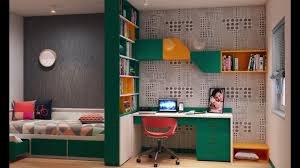
Creating the perfect study environment goes beyond just having a comfortable chair and a spacious desk. One of the most crucial elements that can significantly impact your productivity and focus is the lighting. Proper lighting not only illuminates your workspace but also sets the mood, reduces eye strain, and enhances concentration. In this guide, we’ll explore various lighting ideas to help you design an ideal study room.
Importance of Proper Lighting
Good lighting is essential for several reasons:
- Reduces Eye Strain: Proper lighting minimizes glare and harsh shadows, reducing the risk of eye fatigue.
- Enhances Focus: The right lighting can help you stay alert and focused during study sessions.
- Sets the Mood: Lighting can influence the ambiance of the room, making it more conducive to studying.
- Improves Productivity: Well-lit spaces can boost your mood and energy levels, leading to better performance.
Types of Lighting for Study Rooms
Understanding the different types of lighting can help you create a balanced and functional study environment.
Natural Light
Natural light is the best source of illumination for a study room. It is gentle on the eyes and helps maintain a natural circadian rhythm. Position your desk near a window to maximize daylight exposure. However, be mindful of glare; use sheer curtains or blinds to diffuse the light if necessary.
Ambient Lighting
Ambient lighting provides overall illumination for the room. Ceiling-mounted fixtures like LED panels or flush mounts are popular choices. Ensure the light is evenly distributed to avoid dark spots. Dimmable options can help adjust the brightness according to the time of day or task at hand.
Task Lighting
Task lighting is focused lighting that illuminates specific areas, such as your desk. Desk lamps with adjustable arms and brightness settings are ideal for reading, writing, or computer work. Look for lamps that reduce glare and provide uniform light distribution. BenQ
Accent Lighting
Accent lighting adds visual interest and highlights certain features in the room. Consider using LED strip lights under shelves or along the edges of the ceiling. Wall-mounted sconces or decorative lamps can also serve as accent lighting, adding a touch of style to your study space.
Choosing the Right Lighting Fixtures
Selecting the appropriate lighting fixtures is crucial for creating an effective study environment.
Desk Lamps
Choose a desk lamp that offers adjustable brightness and color temperature. Cool white light (4000K–5000K) is suitable for tasks requiring focus, while warmer tones (2700K–3000K) are better for relaxation. Ensure the lamp has a flexible arm to direct light precisely where needed.
Ceiling Lights
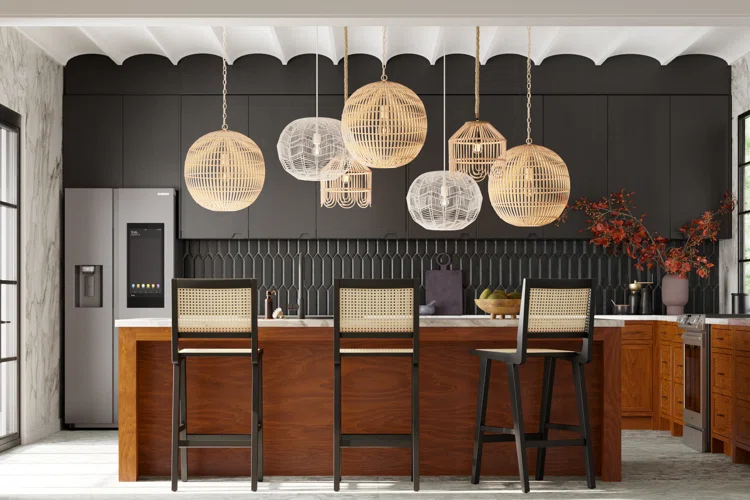
For ambient lighting, ceiling-mounted fixtures like flush mounts or pendant lights can provide even illumination. Opt for LED fixtures that are energy-efficient and have a long lifespan. If your study room has a sloped ceiling, consider using adjustable pendant lights to direct light downwar
Wall-mounted Lights
Wall-mounted lights are excellent for saving desk space. Install sconces or swing-arm lamps above your desk to provide direct lighting without occupying desk space. Ensure they are positioned to avoid casting shadows on your workspace.
Floor Lamps
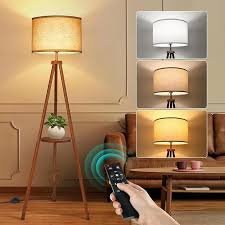
Floor lamps can add both functionality and style to your study room. Choose lamps with adjustable heads to direct light where needed. They are particularly useful for reading corners or additional lighting in larger rooms.
Lighting Tips for Small Study Rooms
In small study spaces, maximizing light is essential. Consider the following tips:
- Use Light-colored Walls: Light colors reflect more light, making the room appear brighter and more spacious.
- Opt for Compact Fixtures: Choose lighting fixtures that don’t take up much space, such as wall-mounted lamps or slim-profile ceiling lights.
- Incorporate Mirrors: Mirrors can reflect light and create the illusion of a larger space.
- Layer Lighting: Combine ambient, task, and accent lighting to create a well-lit environment without overcrowding the space.
Smart Lighting Solutions
Smart lighting systems offer convenience and energy efficiency. With features like remote control, scheduling, and voice activation, you can adjust your study room’s lighting to suit your needs. Smart bulbs can also change colors and brightness levels, allowing you to create the perfect ambiance for studying or relaxing.
Table of Contents
Types of Lighting for Study Rooms
3.1. Natural Light
3.2. Ambient Lighting
3.3. Task Lighting
3.4. Accent Lighting
Choosing the Right Lighting Fixtures
4.1. Desk Lamps
4.2. Ceiling Lights
4.3. Wall-mounted Lights
4.4. Floor Lamps
Lighting Tips for Small Study Rooms
Conclusion
Proper lighting is a fundamental aspect of designing an effective study room. By understanding the different types of lighting and selecting the right fixtures, you can create a space that enhances focus, reduces eye strain, and boosts productivity. Remember to consider the size of your room, the tasks you’ll be performing, and your personal preferences when choosing lighting solutions. With thoughtful planning, your study room can become a well-lit haven conducive to learning and creativity.
Leave a Reply