Introduction
Lighting is more than just a functional necessity in interior design; it’s a powerful tool that shapes the ambiance and functionality of a space. When combined with circular design elements, layered lighting can transform ordinary rooms into extraordinary environments. This article explores how the fusion of layered lighting techniques with circular design elements can enhance both the aesthetics and functionality of interior spaces.
Understanding Layered Lighting
Layered lighting involves the strategic use of different types of lighting to create a balanced and dynamic environment. The three primary layers are:
Ambient Lighting
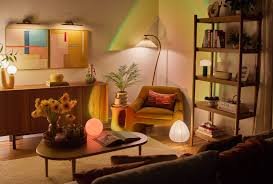
Ambient lighting serves as the primary source of illumination, providing a uniform light level throughout a room. It ensures general visibility and sets the overall mood of the space.
Task Lighting
Task lighting is focused lighting that helps in performing specific activities like reading, cooking, or working. It is brighter and more direct than ambient lighting.
Accent Lighting
Accent lighting adds drama and highlights particular features or areas within a room, such as artwork, architectural details, or plants. It creates focal points and adds depth to the space.
The Allure of Circular Design Elements
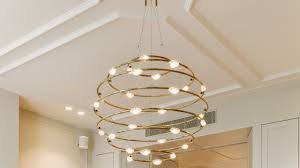
Circular design elements, such as round chandeliers, pendant lights, and circular light fixtures, bring a sense of harmony and fluidity to a room. Their symmetrical shapes can soften harsh lines and add a touch of elegance. Incorporating these elements can make a space feel more cohesive and inviting.
Integrating Layered Lighting with Circular Designs
Combining layered lighting techniques with circular design elements offers several benefits:
Enhancing Aesthetics
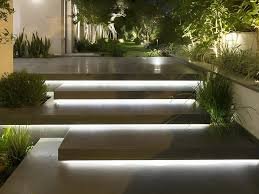
Circular light fixtures can serve as statement pieces, drawing attention and adding visual interest. When layered with ambient, task, and accent lighting, they create a balanced and harmonious look.
Functional Benefits
Layered lighting ensures that all areas of a room are adequately illuminated, improving functionality. Circular designs can distribute light evenly, reducing shadows and creating a more comfortable environment.
Creating Mood and Atmosphere
The interplay of different lighting layers can evoke various moods. For instance, dimming accent lights can create a cozy, intimate setting, while bright task lighting can energize a workspace.
Practical Applications in Interior Spaces
Living Rooms
In living rooms, a central circular chandelier can provide ambient lighting, while task lighting from floor lamps or table lamps offers focused illumination. Accent lighting can highlight artwork or architectural features.
Bedrooms
In bedrooms, layered lighting can create a relaxing atmosphere. A circular pendant light can serve as the main light source, with task lighting from bedside lamps and accent lighting highlighting decorative elements.
Kitchens and Dining Areas
In kitchens and dining areas, layered lighting is essential for both functionality and ambiance. Circular pendant lights over islands or dining tables provide task lighting, while under-cabinet lighting offers additional illumination. Accent lighting can highlight backsplash designs or decorative pieces.
Commercial Spaces
In commercial spaces like offices or retail stores, layered lighting can enhance the shopping experience. Circular light fixtures can serve as focal points, while layered lighting ensures that all areas are well-lit and inviting.
Tips for Effective Implementation
- Balance: Ensure that all three layers of lighting are present and balanced to create a harmonious environment.
- Scale: Choose circular light fixtures that are appropriately scaled to the size of the room.
- Placement: Position light sources strategically to avoid harsh shadows and ensure even illumination.
- Dimming Options: Incorporate dimmable lights to adjust the ambiance as needed.
Table of Contents
Conclusion
Introduction
Understanding Layered Lighting
2.1 Ambient Lighting
2.2 Task Lighting
2.3 Accent Lighting
The Allure of Circular Design Elements
Integrating Layered Lighting with Circular Designs
4.1 Enhancing Aesthetics
4.2 Functional Benefits
4.3 Creating Mood and Atmosphere
Practical Applications in Interior Spaces
5.1 Living Rooms
5.2 Bedrooms
5.3 Kitchens and Dining Areas
5.4 Commercial Spaces
Tips for Effective Implementation
Conclusion
The integration of layered lighting with circular design elements offers a versatile approach to interior design. It enhances the aesthetics, functionality, and mood of a space, making it more inviting and comfortable. By thoughtfully combining these elements, one can create interiors that are both beautiful and practical.
Leave a Reply